Introduction
In the intricate world of irrigation systems, ensuring the integrity and safety of water sources is paramount. Enter backflow preventers—the unsung heroes that protect our drinking water from contamination. These devices play Plumbing Supply and More hot water circulator pump a crucial role in maintaining the health of both residential and commercial irrigation systems. This article will delve into the significance of backflow preventers, their functionality, installation requirements, and maintenance tips to ensure optimal performance.
The Role of Backflow Preventers in Irrigation Systems
Backflow preventers serve as vital components within an irrigation system by preventing contaminated water from flowing back into clean water supplies. This is especially important during situations where pressure changes can occur, such as when a pump sump pump malfunctions or during heavy rainfall. The presence of a backflow prevention device ensures that harmful substances don't compromise potable water sources, thus safeguarding public health.
Understanding Backflow and Its Risks
What exactly is backflow? In simple terms, it refers to the undesirable reversal of flow in a plumbing system. This can happen due to various reasons such as sudden changes in pressure, which could be caused by a malfunctioning sump pump, or by excessive rainfall overwhelming drainage systems.
Without adequate backflow prevention measures, contaminants from irrigation systems—such as fertilizers and pesticides—can infiltrate drinking water supplies. This poses significant health risks to individuals consuming this water. Therefore, understanding the mechanics behind backflow and implementing effective prevention strategies is essential for responsible water management.
Types of Backflow Preventers
There are several types of backflow preventers available on the market today:
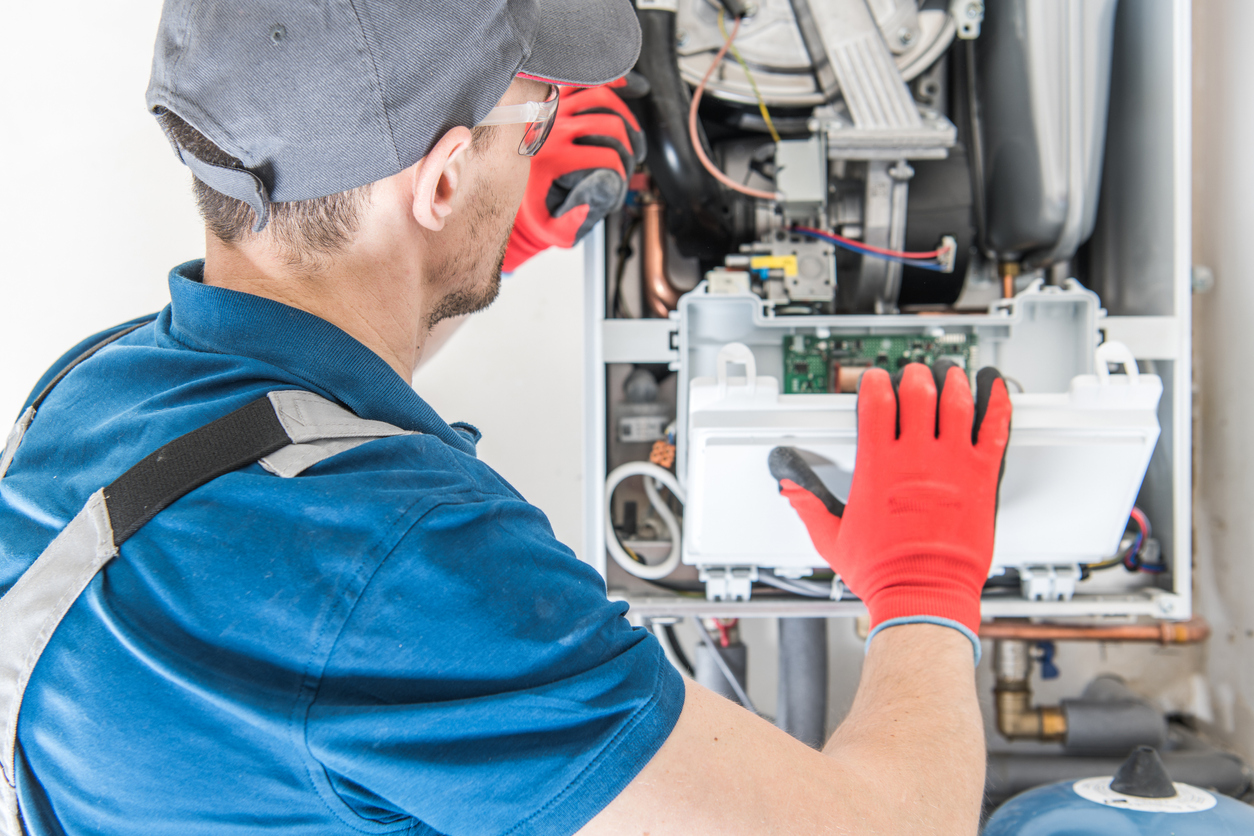
Reduced Pressure Zone (RPZ) Backflow Preventer: This is one of the most effective devices designed for high-risk situations where contamination potential is significant.
Double Check Valve Assembly: Often used in low to moderate risk environments, this device consists of two check valves mounted in series.
Pressure Vacuum Breaker (PVB): Typically installed on irrigation systems, PVBs protect against back-siphonage but not against backpressure.
Choosing the right type depends on the specific needs of your irrigation system and local regulations governing backflow prevention.
Installation Guidelines for Backflow Preventers
Installing a backflow preventer requires careful consideration to ensure compliance with local codes and optimal functionality.
Location Matters
Backflow preventers should be installed above ground level to facilitate easy access for maintenance and testing. They must also be situated in a place that allows for proper drainage; typically 12 inches above the highest downstream outlet.
Professional Installation Recommended
While some homeowners may consider self-installation to save costs on labor, it’s often best left to professionals who possess the expertise required for safe installation practices. A qualified plumber can ensure that all connections are secure and compliant with local plumbing codes.
Testing Requirements
Once installed, regular testing is mandated to verify that the device is functioning correctly. Many municipalities require annual testing by certified professionals to maintain compliance with safety regulations related to drinking water protection.
Maintenance Tips for Optimal Performance
To ensure your irrigation system's backflow preventer operates effectively over time, consider these maintenance tips:
Regular Inspections
Conduct regular visual inspections for signs of wear or damage on all components including seals and fittings. Look out for leaks or any unusual sounds emanating from your system.
Annual Testing
As mentioned previously, having your system tested annually allows you to catch problems early before they escalate into more serious issues that could lead to contamination events.
Winterization Procedures
In colder climates, it’s essential to follow winterization procedures for your irrigation system to avoid freezing damage that could impede functionality come springtime.
FAQs
Q1: How does a backflow preventer work?
A: A backflow preventer uses mechanical components like check valves and air gaps to stop contaminated water from flowing backward into clean supply lines.
Q2: Do I really need a backflow preventer for my irrigation system?
A: Yes! If your irrigation system connects directly to your potable water supply, local regulations likely require you have one installed to protect against contamination.
Q3: What are common signs my backflow preventer might need replacing?
A: Signs include frequent leaks around joints or fittings, inconsistent water pressure in your irrigation system, or visible corrosion on parts of the device itself.
Conclusion
In conclusion, understanding The Role of Backflow Preventers in Irrigation Systems is crucial not only for maintaining regulatory compliance but also for protecting public health standards related to our drinking water sources. Regular maintenance and professional oversight go hand-in-hand toward ensuring these devices function optimally throughout their lifespan. For those looking for quality products at competitive prices while prioritizing expert service—look no further than Plumbing Supply And More, where superior customer support meets unparalleled product selection!
By following best practices discussed here regarding installation and upkeep while considering options offered by trusted suppliers like Plumbing Supply And More, you can safeguard your home or business against potential hazards associated with improper irrigation practices confidently!